Credits & sources
A site that keeps asking “who is speaking?” owes you the answer about itself. Here is who made what, image by image, typeface by typeface, idea by idea.
Frameworks behind the 10 reflexes
The reflexes condense public, documented media-literacy methods, notably: Mike Caulfield's SIFT method (“Four Moves”); the resources of CLEMI (the French national centre for media and information literacy) on verifying sources, images and information; and the cross-checking approaches documented by francophone media-education organisations. The training cases themselves are original, fictional creations.
Photographs
Openly licensed photos, harmonised in the site's colours. Each image is credited: title, author, source and licence.

Brodie Vissers · StockSnap · CC0
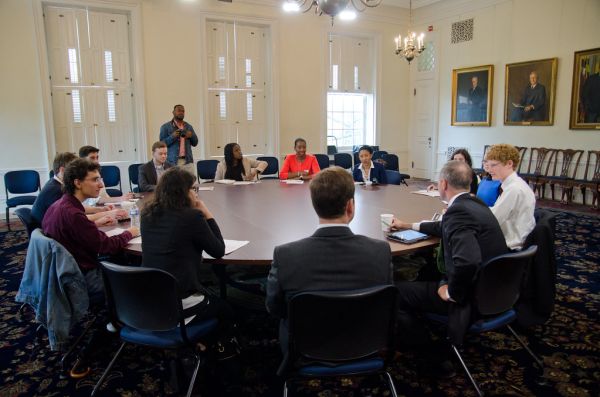
MDGovpics · Flickr · CC BY 2.0

Rawpixel · CC0

Olu Eletu · StockSnap · CC0
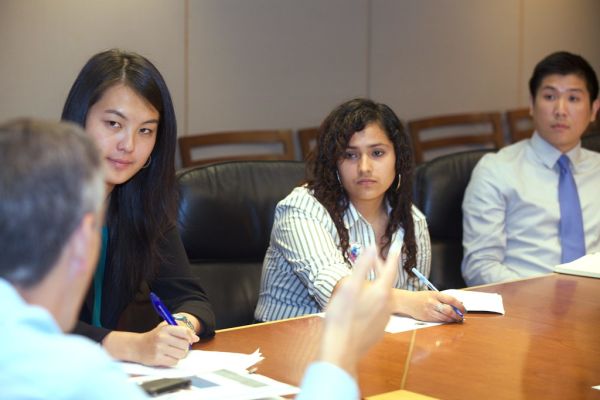
US Department of Education · Flickr · CC BY 2.0
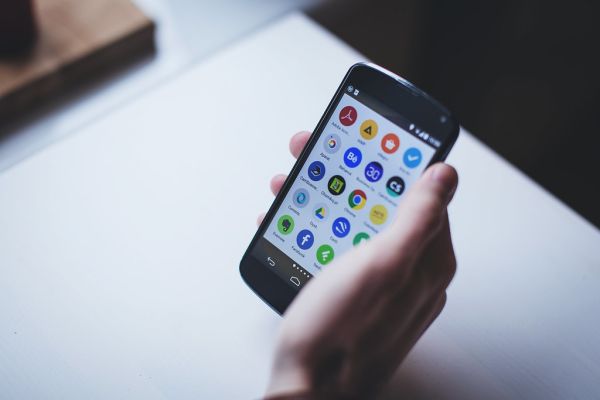
freestocks.org · Flickr · CC0

quariesofficial · Flickr · CC BY 2.0

Kristin Hardwick · StockSnap · CC0

readyelements.com · Flickr · CC0

Markus Spiske · Flickr · CC0
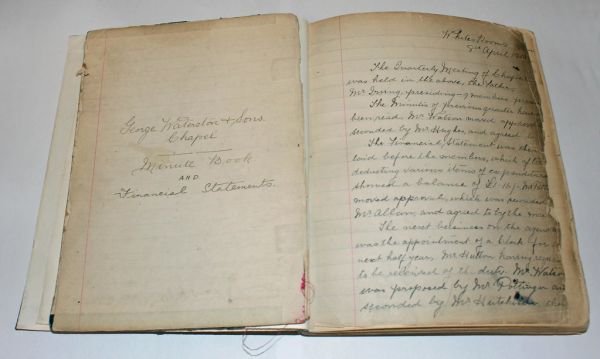
edinburghcityofprint · Flickr · CC BY 2.0
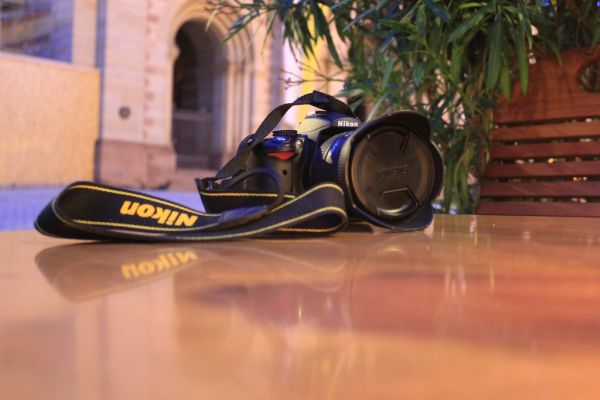
londoncyclist · Flickr · CC BY 2.0
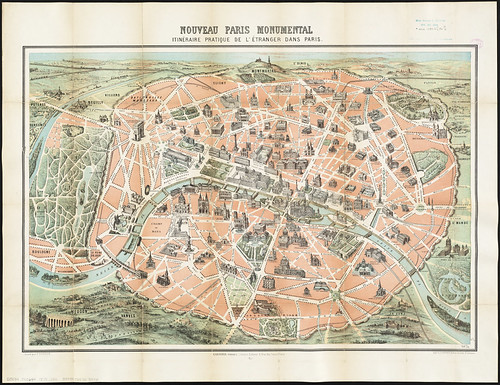
Norman B. Leventhal Map Center at the BPL · Flickr · CC BY 2.0
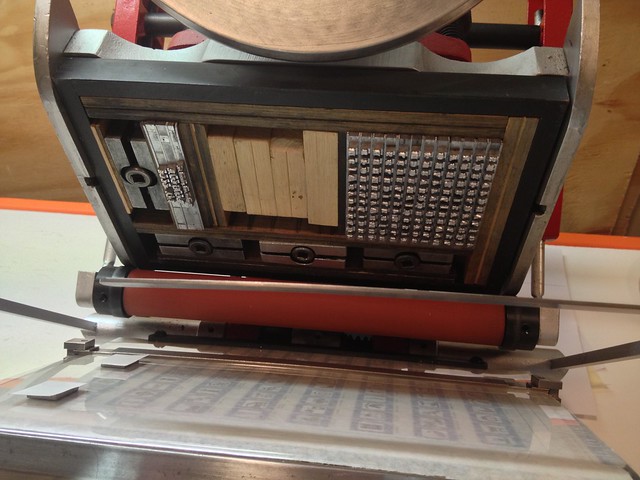
briansuda · Flickr · CC BY 2.0
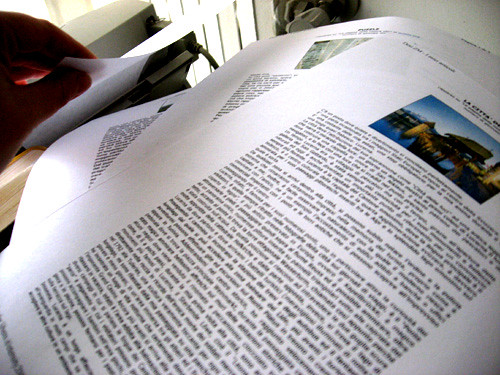
the Italian voice · Flickr · CC BY 2.0
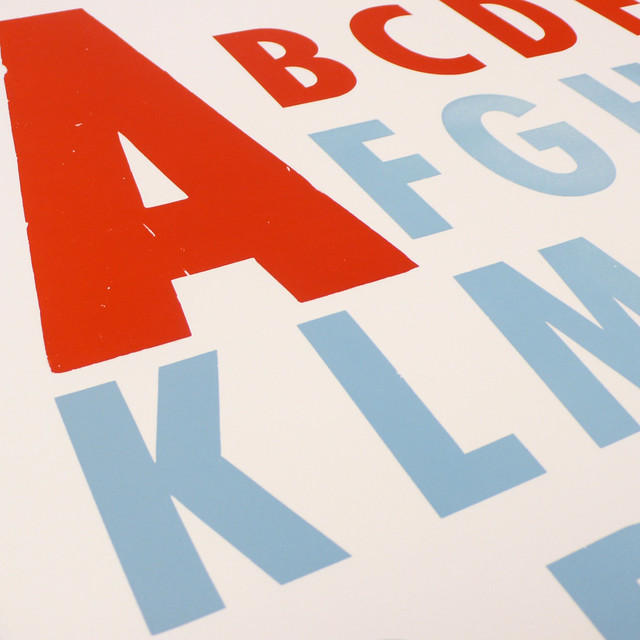
kvanhorn · Flickr · CC BY 2.0
Typefaces (embedded, SIL OFL licence)
Source Serif 4 (headings) and Public Sans (text, labels, navigation), the two families of the ODERSA design system. Public Sans is the typeface of the United States federal design system (USWDS): the kinship is deliberate, it is the same public-service family. The files are served from this site: no external font service is called.
Headings
Source Serif 4
Body text
Public Sans
Illustrations & icons
The logotype, pictograms, favicon and social-sharing image were drawn specifically for this site, within the project, and are published under the same CC BY 4.0 licence as everything else. No generator, no icon bank.
How it's built
100% static site: hand-written HTML, CSS and JavaScript, no framework, no dependency, no third-party service. The data (reflexes and cases) are public JSON files, shipped with the site and downloadable.